
Conditions We Treat
We are experts in exercise-based rehabilitation for cardiovascular dysautonomia: conditions where the nervous system struggles to regulate heart rate and blood pressure, especially when you stand up. This is known as orthostatic intolerance. Every condition below follows the same evidence-based, five-phase program, tailored to you.
Postural Orthostatic Tachycardia Syndrome (POTS)
In most cases of POTS, when you stand, blood pools in the lower body and the heart races to compensate, causing dizziness, a pounding heart, exhaustion and brain fog. POTS is diagnosed with a tilt-table or active stand test showing a sustained heart-rate rise of 30+ bpm within 10 minutes of standing (40+ bpm for ages 12–19) without a significant drop in blood pressure. It most often affects people aged 14 to 45, and frequently begins after a viral illness (including COVID-19), surgery, pregnancy or prolonged bed rest.
Orthostatic Hypotension (OH)
A significant drop in blood pressure when you stand, leading to light-headedness, blurred vision or fainting. OH is more prevalent than POTS and more common in older adults. It is identified by a drop on standing of:
Systolic blood pressure (SBP): more than 20 mmHg, or
Diastolic blood pressure (DBP): more than 10 mmHg
Vasovagal Presyncope (VVS)
Episodes of near-fainting triggered by standing, heat, stress or pain. Patients with VVS usually need a shorter program.
Inappropriate Sinus Tachycardia (IST)
A heart rate that runs high at rest and climbs quickly with light activity. IST also usually needs a shorter program.
Other causes of orthostatic intolerance
If standing upright brings on your symptoms, talk to us about whether our program is a good fit.
Rarely Just One Condition
Most patients live with more than one condition. Over the years we've built expertise in common comorbidities, including:
Hypermobility (GSD, HSD and hEDS). We are a community partner of the GoodHope Ehlers-Danlos Syndrome Clinic.
Mast Cell Activation Syndrome (MCAS)
ME/CFS and Post-Exertional Malaise (PEM)
Asthma
Hypertension and hypotension
Medically stable or managed arrhythmias
Why exercise rehabilitation helps
Deconditioning makes symptoms worse, and symptoms make it hard to stay active. The right exercise can directly reverse some of the physiology behind these conditions:
Expands blood volume, so more blood reaches the heart and brain when you stand
Increases muscle tone, which helps pump blood back up from the legs
Stabilizes the nervous system, which reduces how much your symptoms swing from day to day
Dosage is key. When exercise is dosed correctly, starting in lying or seated positions and progressing gradually, you get these benefits while reducing the risk of a flare. Combined with hydration, salt and lifestyle strategies, most people see meaningful improvement in daily life.
This information is for general education and is not a substitute for medical advice. If you have chest pain, fainting with injury or other urgent symptoms, call 911.
Common symptoms
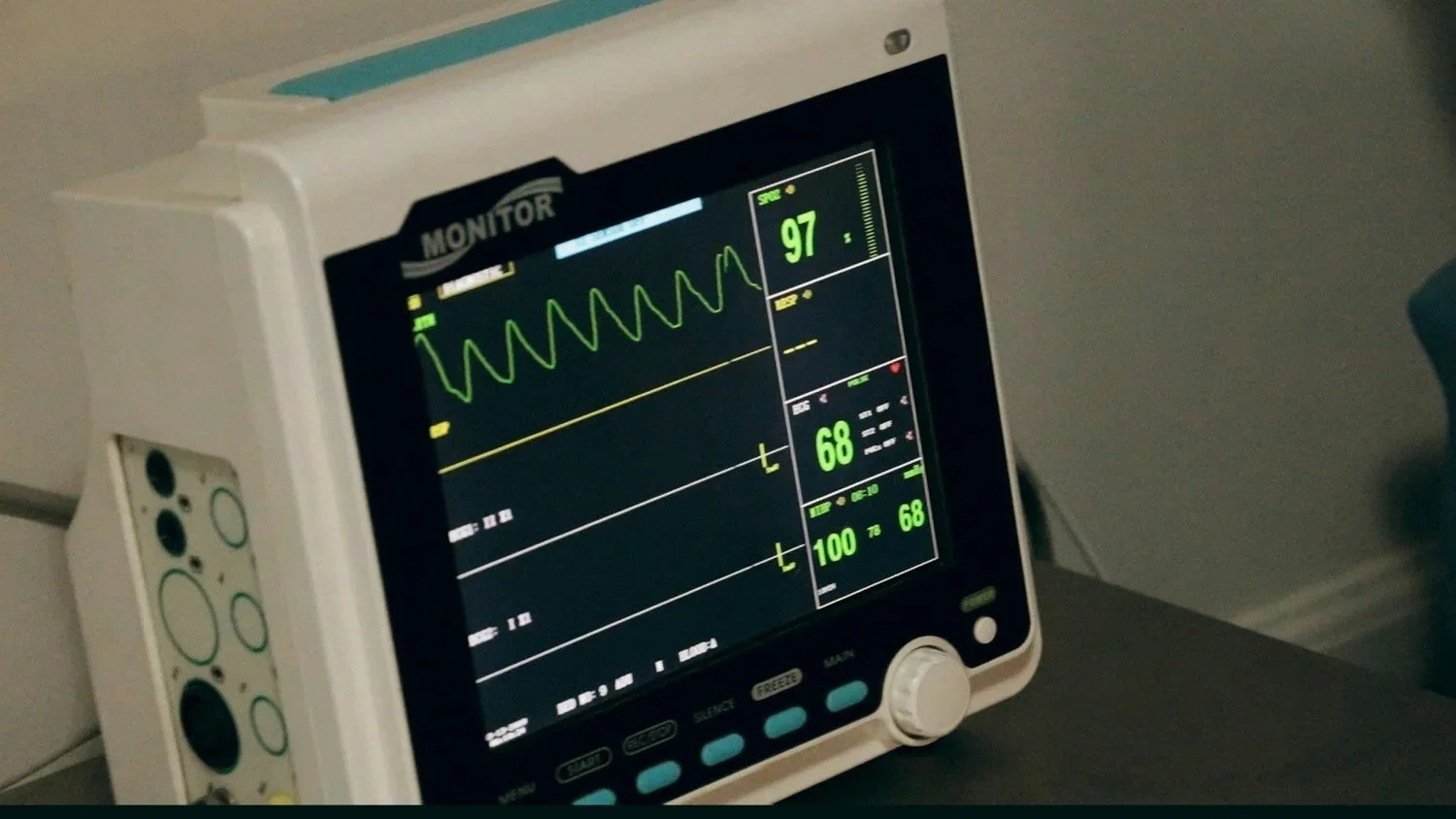
Racing heart
Palpitations or a pounding heartbeat when sitting up or standing, sometimes with chest discomfort or shortness of breath.

Dizziness & fainting
Light-headedness, blurred vision or near-fainting, especially after standing still, showering or in the heat.

Fatigue & brain fog
Exhaustion out of proportion to activity, unrefreshing sleep and trouble focusing, remembering or finding words.

Exercise intolerance
Symptoms that flare during or after exertion, making it hard to stay active without the right approach.

Think you might have orthostatic intolerance?
Start with an assessment
No referral is needed for your assessment. Exercise clearance from your physician is required before you start the program, and we work alongside your physician or cardiologist.